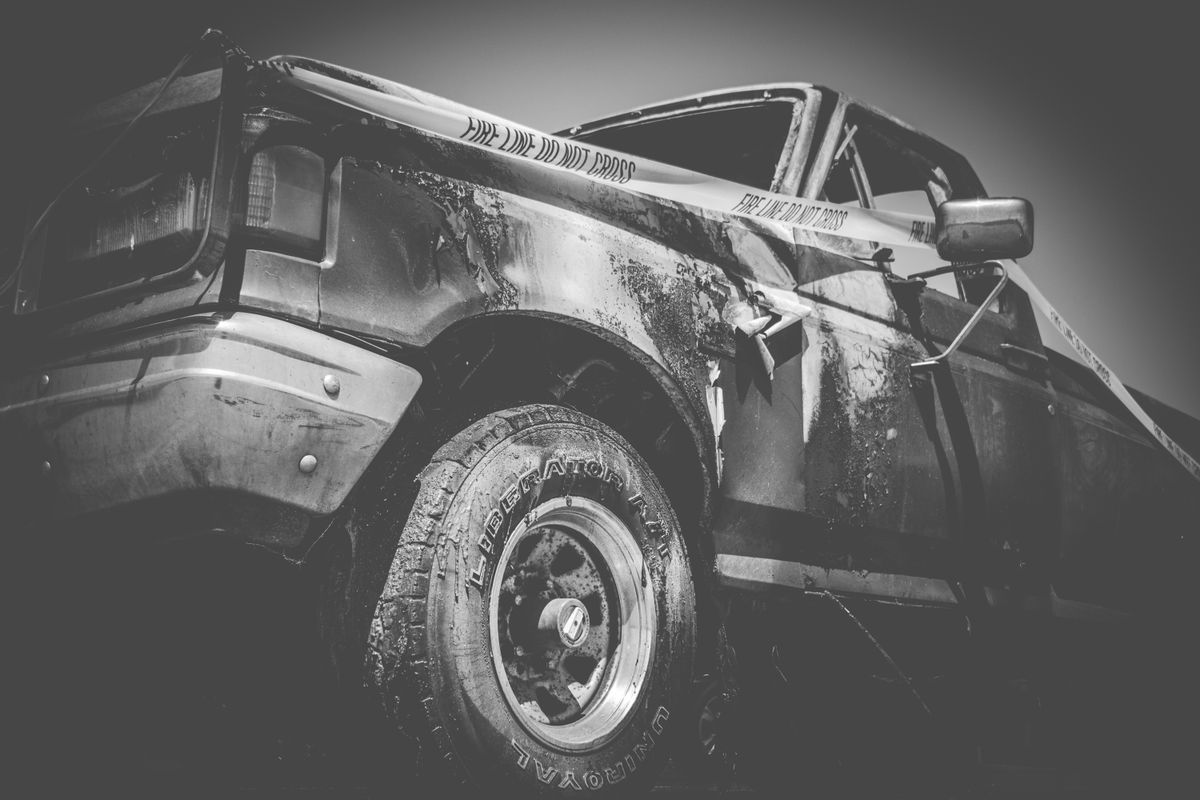
UNDERRIDE CRITICALITY
Most underride fatalities are preventable. We hold carriers and manufacturers accountable for substandard rear and side impact guards.
Underride Guard Integrity
We evaluate the "Mansfield Bar" for welding defects, rust, or structural non-compliance with FMVSS No. 223/224 standards.
Crash Compatibility
Analysis of relative heights and energy absorption. We prove when a guard was positioned too high to stop a passenger vehicle from sliding underneath.
Secondary Impact Velocity
The true danger of underride is the secondary impact with the passenger compartment (PCI). We measure the deformation of the A-pillars and roof.
Material Science Audit
Testing the steel alloy of the rear-impact guard to ensure it met the minimum yield strength required to sustain a high-velocity impact.
THE MANSFIELD FAILURE
When a rear-impact guard fails, the passenger vehicle experiences "compartment intrusion." We utilize 3D laser scanning of the wreckage to prove that the guard folded due to fatigue or improper mounting.
- FMVSS 223/224 Compliance Audit
- Guard Weld Fatigue Analysis
- Mounting Bracket Deformation
- Reflective Tape Visibility Check